1] Double wishbone suspension
Unequal control arms front as well as rear
No cheap shit struts .. even cars costing upwards of 100K don't have it because its expensive to build, maintain and tune and people have forgotten about it
2] Drive by cable
No stupid electronic interference, no ECU to process your request for throttle and then meter the air and fuel.
Just a spring loaded greased cable controlling the butterfly valve on the throttle body.
Even 1 mm of pedal input is felt.
Razor sharp throttle response
3] Hydraulic steering assist
Proper heavy steering to get the feedback from the road , accuracy of steering is only 1/2 the experience, there is got to be a reverse feedback from the front tyres.
4] Faster steering rack
Everyone is so concerned about turning radius that no one cares about the quickness of the rack.
5] Low slung chassis
WTF happened to people and the manufacturers? why cant I see the hood anymore ? After 100 years engineers cant figure out a way to allow safety as well as proper visibility and make a slow slung car ?
6] Gear ratio and Torque
Cmon assholes cmon u idiots wake up !!
Everybody talk how much horsepower and how much torque..
Every wondered at what rpm ? if yes then still that is not enough
Ever wondered about the gear ratio and the spacing of the ratios ?
Here is my take on the levels of ignorance
Ignorance level 3 : More horsepower the better
Ignorance level 2 : More Torque is better
Ignorance level 1 : More Torque at lower rpm is better
Ignorance level 0 : More Torque at lower rpm is better at a particular gear ratio
People are blinded by these facts and figures and then throw in criteria for good MPG and we have a perfect POS car.
I'm sure manufacturers can build you the proper engine with a proper gear box but people dont want it - everyone wants facts and figures with 1/2 the knowledge.
Imagine a car with a 7000 rpm red line with only 4 regular gears and an overdrive , gearing is so low that it revs at 3500 rpm at 40MPH.. in top gear , Imagine the feeling of endless power when the 4th gear pulls from 3500 rpm to 7000 rpm in 1 gear ..WTF 6th gear ?
6] 0 to 60 times ; LOL motherfuckers
forget 0 to 60 , car makers have to meet this criteria at the expense of the gear ratios and power band mismatch.
Forget it .. just make something which best matches that engine to that gearbox to that weight
7] Simple black dashboard with 2 round gauges and few lights
8] Weight and power to weight
Lighter the better right ? nope , not always, sometimes a slight heavy weight is good for road manners. Old school heavy = 1200 Kg = New cars super light
1200 KG = perfect balance
9]DOHC > SOHC or SOHC>DOHC
If u attempt to answer any one of those equations by considering torque into the equation I will say u are on the right track ..keep going some day u will get there.
But for now imagine an engine which is DOHC and has 4 behaviours by using the following variables
1- Low rpm intake velocity
2- Hi rpm intake velocity
3- Low rpm valve duration and overlap
4- Hi rpm valve duration and overlap
5- Low rpm valve ignition-fuel-rpm map
6- Hi rpm valve ignition-fuel-rpm map
1 and 2 handled by valve which controls the intake velocity by affecting the path of airflow by closing/opening it : Its like having 2 air intakes, one for low speed one for high speed
3 and 4 handled by intake and exhaust cam with dual profiles varying based on the rpm: its like having 2 cams for low speed driving and then swapping out the cams for high speed driving which would have a decent lope at idle like a mucle car
5 and 6 handled by 2 separate maps in the ECU for 2 different cam profiles
10] Fuel cost and fun ? WTF
Forget the cost of fuel for a second, think of 93 octane ..let the engine have fun
11] Design and looks
WTF why does everything look like a blob?
I want a very long sloping hood like a 60's ferrari and small tight boot in coupe style..
12] 2 doors 4 seats
Is it that difficult to get 2 extra seats in the back for your kid ?
WTF BRZ ? WTF Mustang ? WTF 128i, WTF rx8 ?
..Guess what fuckers ?
There is a car out there with all this and I found it : PROPER old school engineering

Monday, 22 September 2014

Tuesday, 30 July 2013
Fun cars.. last of the "nearly fun", "potential for fun" ..
1] Mazda 2
Absolute lightweight , very easy to throw around sharp handling
Out of the box has the following characteristics:
Has about 1050 Kgs weight with a manual box, thats very light for a production car with all the mandatory safety features.
Comes with an electrical power steering but is not numb to inputs from the road, not overly assisted.
Also has a variable assist means it will change the amount of "effort" fromt the electric motor depending on the speed.
Has a 100 Hp DOHC engine which is paired to a very nice manual gearbox..
This brings the fun back into daily driving ..u need to understand your powerband to make best use of the engine. Unlike a big engined powerful car which has enough torque to not "challenge you" enough to plan your driving...
Has smaller 15 in wheels stock..
Has perfect view of the road.. not as good as some of the earlier 90's cars but still better than the most .. u don't end up staring at the dashboard which covers half the lower end of the windscreen.
Has good visibility.
Potential for mods
Final drive ratio can be altered to get better acceleration at cost of higher top speed
Short shifter
Slight tweak to toe angles for harder turn in..
Better exhaust
Smaller wheels with lowered suspension(ride height adjustable coilovers)
Reflash
2] Old school Mk4 2.0 8valve :-)
This is something which is difficult to explain, this is about going back to basics and even more raw ..and not caring about anything else
A golf Mk4 comes with a rack and pinion based hydraulic power steering, this can be easily converted to a "pure manual" by getting rid of the hydraulics.. kits are available which can delete the assist and still retain your AC. Easily done.
Metal mounts, bushings etc for the steering, subframe to replace all rubber bushes etc and reduce teh sponginess
Lower control arms with a better geometry for handling
Sequential gearbox
Engine - nothing , the BEV variant of 2.0 makes about 128 lb/foot @2800 rpm :-) which is less but how many non turbo cars u see with a tune aimed at such a low rpm.. ?
Also also those idiots who say 2 valve heads is < 4 valve head don't know crap abt engines
2 valve = lesser volume of air flow but higher velocity = better low end torque ..
..to be continued
3] Mini cooper non turbo BUT PLZ AVOID - its the world's most unreliable car.
I will wait for a stable version to come and BMW figures it out all the issues
..to be continued
4] 96 Honda civic coupe
Double wishbone suspension, screamer D16y8 SOHC engine
Amazing road visibility, sit very low down
..to be continued
5] Old Mini cooper with a Honda engine swap
Saturday, 13 July 2013
Has everyone forgotten what a fun car means ? whats wrong with everyone ?
People have stopped using their brains ..or have have been completely brainwashed by marketing guys from car companies and ad makers.
Or just the "true car guys" have been outnumbered by the "non car idiots" ?
Am I the only one of the last few crazy petrol heads left who have not been affected by the marketing gimmicks ..
Why does it even matter how much HP does a car have ?
Why does it even matter how fast the car accelerates from 0 to 60 ?
Why do we need power steering in sports cars ?
Why do idiots ask for traction control , ABS , limited slip differentials in a car ..?
WHY THE HELL do we need DSG, flappy paddle gearbox ? why are the manual gearboxes dying out ?
All the hi horsepower supposedly "sports cars" are losing it ..
I'm going to set my scope over here /..just to make it clear what I'm talking about:
There are only 2 reasons to drive .. either for work or for fun.
If its for work like a ambulance, cab, pizza delivery , police car, fire truck, I'm not supposed to have fun doing it because the sole purpose is to travel from point A to Point B in most efficient way. basically I need an "appliance" which helps me in transportation of people or stuff in a very efficient manner. I do understand that here the driver will be able to perform more efficiently if he does not have to worry about locking up, skidding, cornering , tight turns etc. Vehicle needs a lot of power to move heavy stuff around, electronics, power assist etc etc to help him achieve his duties. Auto gearbox, soft ride,power windows, AC, electrical power steering etc definitely make sense.
Another sub category are those people who need it for personal use but still don't care and consider cars as just a means of transportation because they too need it for going from point A to point B , these people are the majority.. I understand. Everyone does not share the same enthusiasm, people have different interests,,
I don't care about the above categories ..
Now coming to the hardcore "petrol head" with serious addiction to grease/petrol/exhaust/torque/handling etc etc. This species of humans have unlimited time patience , effort and equal amounts of money to burn on cars.. The word "vehicle" is almost derogatory and insulting way to describe their "creations/machines".
This category has been around for a long time and only this category is what my scope is.
What do the car manufacturers offer these people ?
Nothing - absolutely crap is being being offered + the standards are going down faster every year.
Keeping this 3 factors in mind - [Cheap ], [Reliable] and [Fast/Interesting] .. I even understand all 3 cannot exist together.
Good examples:
Cheap+Reliable : Nissan versa, Toyota yaris
Cheap + Fast/Interesting : nothing right now (maybe used Mini cooper non turbo,used golf, used civic si, used neon srt4)
Reliable + Fast/Interesting : BMW 135 twin turbo, Sti , Golf GTI ..
See there is nothing off the shelf which will be reasonably priced to have fun and allow room for tweaks and modifications .
Coming back to the topic ..have people forgotten what fun means in cars ?
E.g going at 150 km/h is fun depending on the type of car ..
In a mercedes its hardly even felt - the outside noise is damped out, the suspension + heavy bulk absorbs the small vibrations, the engine doesn't even feel strained.. the steering wheel is electrically operated via motors so the direct feel between road and steering wheel is again damped out.
It's just to efficient and powerful and fast to feel anything @120 KMH..
Now If I really wanted to have fun and test the limits of this machine I would need to try and hit 250 Kmh plus to start getting the machine right on the ragged edge..to actually start hearing the engine note, exhaust note, feel the road etc..
Whats the point ? how many times will I get an opportunity to do this ? how many times will I be able to able to use that power band .. ?
How much fun is it overtaking slower cars in traffic without a manual box? simply find a gap and blip the throttle , no noise, no planning, no need of dropping a gear, no need of watching the rev limiter..
Freeways also become stupidly boring in these "new age cars" .. even the cheaper models are becoming very efficient(read boring) ..
Imagine doing the above things "old school" traditional way :-) in a slightly older vehicle with "correct amount of power" .. and just the right amount of technology .. means disc brakes, fuel injection, radial tyres at least :-)
Lets say :
- manual rack and pinion steering(disconnected hydraulic assist or hydraulic assist in worst case)
- double wishbone/struts - with firm lowered springs, sitting on 15 inch wheels, regular
- 0 or minimal sound deadening
- single cam, 2 valve engine
- exhaust with only a cat con and a muffler , should be able to hear the pop and crackle of the unburnt fuel
- 100 to 120 HP and about 1200 kgs (maybe lighter if possible) and no turbo
- 5 speed manual gearbox
- all round disc brakes, with or without servo assistance
With this setup - each and every thing will be come an absolute adventure right on the edge.
Hearing the engine rev up and the exhaust tone change with the rev counter is the main entertainment, Keeping the engine in its power band.
Feeling the road unevenness, bumps , water puddles through the steering, feeling the tyres pull left or right with ur own hands is a totally differnet experience.
Overtaking slower cars involves a quick glance at tacho , followed by a quick down shift , rev matching the gearbox (blipping the throttle while clutch is pressed to bring the engine speed closer to the flywheel speed before engaging clutch again).. hammering the throttle in and waiting for the engine to reach power band before overtaking is now becoming a "lost art ". When in the peak torque range darting out of lane and back just in time is something to be experienced 1st hand.
The fun is in hearing the exhaust gurgle or pop like a machine gun on the overrun during deceleration and winding down the gears or just letting it back fire away happily on downhills while in gear..
The advantage of the 0 assist via electric motor or hydraulic pump is more direct and tactile feel of the front wheels.
You don't need 300 BHP to do a torque steer .. u just need less traction , like in the rains or smaller 14-15 inch wheels with regular rubber. You just need to break traction and overcome the grips ..choose 1 option more power or less grip :-)
How many can claim they can feel the front tyres losing grip or sliding through the steering wheel ?
17 inch wheels with ABS, ESP, 1.5 tonnes of kerb weight and electrical power steering .. ?
Coming to the more interesting aspects of braking and weight transfer...
With these newer cars .. can u take a downhill slope with a very hard braking and describe the feeling ?
Nothing ..
Can someone driving the modern cars tell me how much braking effort before u can feel the weight transfer shifting forward and the front brakes locking up ?
With the fun cars I know exactly whats going on through my steering wheel and the un assisted brakes ..
(un assisted means ABS/EBD/ESP etc not the hydraulic assist, 0.1% people will have driven a car without a hydraulic assist so no use comparing servo/vs non servo)
No one advertises these things , because it means selling cars with lesser items and cheaper prices and 99% people don't even care..
But those few in the petrol head category should wake up and get their lazy asses out of these new boring supposedly sports cars and step into the real world of hardcore analog tactile feel of old school simple cars..
Consider this as an ultimate test to check if u are a true car freak or a pseudo car freak or in better words .."poser" with shiny rims and 300 HP 3000 pound hippo driving losers
Ask yourself this - Its more fun driving a slower car fast or a fast car fast ? how many times have u taken the car the ragged edge of the cars limits ? really pushed a car to its limits ..?
If u drive automatics/DSG/flappy paddles ..please don't waste your time here ..just FO.
Some more people who get it
http://www.thesmokingtire.com/2012/whats-more-fun-slow-cars-fast-or-fast-cars-slow/
http://www.contracthireandleasing.com/car-leasing-news/driving-slow-cars-fast-why-powers-not-important/
http://www.thetruthaboutcars.com/2012/05/the-unimportance-of-speed/
http://www.automobilemag.com/features/great_drives/0903_slow_cars_the_joy_of_slow/viewall.html
Or just the "true car guys" have been outnumbered by the "non car idiots" ?
Am I the only one of the last few crazy petrol heads left who have not been affected by the marketing gimmicks ..
Why does it even matter how much HP does a car have ?
Why does it even matter how fast the car accelerates from 0 to 60 ?
Why do we need power steering in sports cars ?
Why do idiots ask for traction control , ABS , limited slip differentials in a car ..?
WHY THE HELL do we need DSG, flappy paddle gearbox ? why are the manual gearboxes dying out ?
All the hi horsepower supposedly "sports cars" are losing it ..
I'm going to set my scope over here /..just to make it clear what I'm talking about:
There are only 2 reasons to drive .. either for work or for fun.
If its for work like a ambulance, cab, pizza delivery , police car, fire truck, I'm not supposed to have fun doing it because the sole purpose is to travel from point A to Point B in most efficient way. basically I need an "appliance" which helps me in transportation of people or stuff in a very efficient manner. I do understand that here the driver will be able to perform more efficiently if he does not have to worry about locking up, skidding, cornering , tight turns etc. Vehicle needs a lot of power to move heavy stuff around, electronics, power assist etc etc to help him achieve his duties. Auto gearbox, soft ride,power windows, AC, electrical power steering etc definitely make sense.
Another sub category are those people who need it for personal use but still don't care and consider cars as just a means of transportation because they too need it for going from point A to point B , these people are the majority.. I understand. Everyone does not share the same enthusiasm, people have different interests,,
I don't care about the above categories ..
Now coming to the hardcore "petrol head" with serious addiction to grease/petrol/exhaust/torque/handling etc etc. This species of humans have unlimited time patience , effort and equal amounts of money to burn on cars.. The word "vehicle" is almost derogatory and insulting way to describe their "creations/machines".
This category has been around for a long time and only this category is what my scope is.
What do the car manufacturers offer these people ?
Nothing - absolutely crap is being being offered + the standards are going down faster every year.
Keeping this 3 factors in mind - [Cheap ], [Reliable] and [Fast/Interesting] .. I even understand all 3 cannot exist together.
Good examples:
Cheap+Reliable : Nissan versa, Toyota yaris
Cheap + Fast/Interesting : nothing right now (maybe used Mini cooper non turbo,used golf, used civic si, used neon srt4)
Reliable + Fast/Interesting : BMW 135 twin turbo, Sti , Golf GTI ..
See there is nothing off the shelf which will be reasonably priced to have fun and allow room for tweaks and modifications .
Coming back to the topic ..have people forgotten what fun means in cars ?
E.g going at 150 km/h is fun depending on the type of car ..
In a mercedes its hardly even felt - the outside noise is damped out, the suspension + heavy bulk absorbs the small vibrations, the engine doesn't even feel strained.. the steering wheel is electrically operated via motors so the direct feel between road and steering wheel is again damped out.
It's just to efficient and powerful and fast to feel anything @120 KMH..
Now If I really wanted to have fun and test the limits of this machine I would need to try and hit 250 Kmh plus to start getting the machine right on the ragged edge..to actually start hearing the engine note, exhaust note, feel the road etc..
Whats the point ? how many times will I get an opportunity to do this ? how many times will I be able to able to use that power band .. ?
How much fun is it overtaking slower cars in traffic without a manual box? simply find a gap and blip the throttle , no noise, no planning, no need of dropping a gear, no need of watching the rev limiter..
Freeways also become stupidly boring in these "new age cars" .. even the cheaper models are becoming very efficient(read boring) ..
Imagine doing the above things "old school" traditional way :-) in a slightly older vehicle with "correct amount of power" .. and just the right amount of technology .. means disc brakes, fuel injection, radial tyres at least :-)
Lets say :
- manual rack and pinion steering(disconnected hydraulic assist or hydraulic assist in worst case)
- double wishbone/struts - with firm lowered springs, sitting on 15 inch wheels, regular
- 0 or minimal sound deadening
- single cam, 2 valve engine
- exhaust with only a cat con and a muffler , should be able to hear the pop and crackle of the unburnt fuel
- 100 to 120 HP and about 1200 kgs (maybe lighter if possible) and no turbo
- 5 speed manual gearbox
- all round disc brakes, with or without servo assistance
With this setup - each and every thing will be come an absolute adventure right on the edge.
Hearing the engine rev up and the exhaust tone change with the rev counter is the main entertainment, Keeping the engine in its power band.
Feeling the road unevenness, bumps , water puddles through the steering, feeling the tyres pull left or right with ur own hands is a totally differnet experience.
Overtaking slower cars involves a quick glance at tacho , followed by a quick down shift , rev matching the gearbox (blipping the throttle while clutch is pressed to bring the engine speed closer to the flywheel speed before engaging clutch again).. hammering the throttle in and waiting for the engine to reach power band before overtaking is now becoming a "lost art ". When in the peak torque range darting out of lane and back just in time is something to be experienced 1st hand.
The fun is in hearing the exhaust gurgle or pop like a machine gun on the overrun during deceleration and winding down the gears or just letting it back fire away happily on downhills while in gear..
The advantage of the 0 assist via electric motor or hydraulic pump is more direct and tactile feel of the front wheels.
You don't need 300 BHP to do a torque steer .. u just need less traction , like in the rains or smaller 14-15 inch wheels with regular rubber. You just need to break traction and overcome the grips ..choose 1 option more power or less grip :-)
How many can claim they can feel the front tyres losing grip or sliding through the steering wheel ?
17 inch wheels with ABS, ESP, 1.5 tonnes of kerb weight and electrical power steering .. ?
Coming to the more interesting aspects of braking and weight transfer...
With these newer cars .. can u take a downhill slope with a very hard braking and describe the feeling ?
Nothing ..
Can someone driving the modern cars tell me how much braking effort before u can feel the weight transfer shifting forward and the front brakes locking up ?
With the fun cars I know exactly whats going on through my steering wheel and the un assisted brakes ..
(un assisted means ABS/EBD/ESP etc not the hydraulic assist, 0.1% people will have driven a car without a hydraulic assist so no use comparing servo/vs non servo)
No one advertises these things , because it means selling cars with lesser items and cheaper prices and 99% people don't even care..
But those few in the petrol head category should wake up and get their lazy asses out of these new boring supposedly sports cars and step into the real world of hardcore analog tactile feel of old school simple cars..
Consider this as an ultimate test to check if u are a true car freak or a pseudo car freak or in better words .."poser" with shiny rims and 300 HP 3000 pound hippo driving losers
Ask yourself this - Its more fun driving a slower car fast or a fast car fast ? how many times have u taken the car the ragged edge of the cars limits ? really pushed a car to its limits ..?
If u drive automatics/DSG/flappy paddles ..please don't waste your time here ..just FO.
Some more people who get it
http://www.thesmokingtire.com/2012/whats-more-fun-slow-cars-fast-or-fast-cars-slow/
http://www.contracthireandleasing.com/car-leasing-news/driving-slow-cars-fast-why-powers-not-important/
http://www.thetruthaboutcars.com/2012/05/the-unimportance-of-speed/
http://www.automobilemag.com/features/great_drives/0903_slow_cars_the_joy_of_slow/viewall.html
Wednesday, 6 March 2013
Oversized throtte bodies
Either u have aftermarket cams, or ported polished heads, valve angle job and corresponding headers etc the stock TB may possibly be good enough.
hey bother dont with this if you have stock engine unless you only want a more sensitive throttle response..
seen some mods with air filter and enlarged TB only while everthing else stock...normal cams, no polishing, valve job,no headers or forced induction.
this doesn't give you that much power it just makes your throttle more sensitive,
heres the argument - I have seen ppl say "dude I bolted on a big TB so it pulls in more air so the ECU puts in more fuel so = more power"
sure you felt the surge when you drive dude thats only becoz at that throttle plate angle the air you are drawing in is more becoz of the larger dia.
if the 10% throttle input revved upto Xrpm now it will be (X+n) rpm
it will make more power if the original TB was so restricted that the power was being held back due to the bottleneck.
so if the existing TB is a bottleneck (and also if the OEM manufacturer was a retard) then it would make sense to upsize.
think of VE.. (im trying to simplify it in layman terminology, ther eis much much more to this ...)
what the hell is this ? ideally theoratically if an an engine is 100% efficient, so theoratically it pulls in air fuel mix
= to the displacement of the engine at WOT.Since the 4stroke engine has has one intake stroke for every 2 revolutions of the crankshaft we can suck in x units of air= displacement of the engine in 2 revolutions.
so to find the qty of air sucked in we multiply the displacement by 1/2(the engine speed) assuming it is 100% efficient for simplicity sake. so our Volumentric efficiency is 100% but in real world the engine may acheive say 50% efficiency..
for now if we want to increase the air flowing through our system we will use porting polishing, crazy cams etc etc etc and later on use a turbo/supercharger and run the engine at very high revs and increase airflow than what the stock TB was designed to handle.
A stock engine may have a TB size perfectly port matched for this mass and velocity of air flow, so unless we use crazy cams etc etc or forced induction we are in no way increasing the airflow. If the OEM TB was obstructing the airflow to such an extent that the VE was reduced to
(50-x)% then it makes sense to upsize the TB to remove this bottleneck.. Im sure car manufacturers have taken care of this already... if u have a stock engine with no other mods why upsize your TB ?
bolting on TB on stock cars and saying the ECU pumped more fuel got you more power doesnt make sense to me...
e.g the speed density fuel map has x= MAP reading , y= RPM ,z = duration of Injector pulse , so if the ECU sees more air it simply looks up x2y2z2 instead x1y1z1 so u just getting the stock power (over simplified ) of a higher rpm at a lower throttle position.
what the the MAP will indicate depends on how much air you pull in, its only that the MAP will now indicate higer value for a lower TP angle becoz for this TP angle more air is sucked in becoz of the larger TB size.
(guys plz dont confuse alpha/TP angle with speed density reading this last sentence,speed density= MAP,alpha/Tp angle=TP angle)
none of the cars in iNdia work on alpha-n so dont worry abt this...
Ideally OEM guys design the engine for driveability and mileage ,you could say they distributed the entire range of the power in the throttle pedal so its not so sensitive to slight inputs during normal driving.
so a slight throttle input will pull in a certain qty of air which will make the car accelarate gently in a civilised manner, what a larger Tb would do is increase the amt of air for the same Throttle position, as a result more air= MAP sensor indicates greater value = ECU uses a value from the fuel MAP corresponding to that MAP value and more aggrressive pickup (not more power)
but hey the TB maynot be that bad,Im guessing that at WOT maybe you will see the gains becoz there the ECU goes in open loop , its here the extra air may help a bit will it be noticeable is the question ?
the slight obstruction due to the butterfly type of throttle plate caused in the OEM TB will be minmised slightly due to the larger bore TB so it may help at these WOT conditions..
if I can put it like this .. what u are doing is fooling yourself, you could wear 10kg wt on ur shoe and drive the car, sure you will floor the throttle more as compared to without the weight, so you get the throttle response without the cost of new TB...
upsize this if this is a bottleneck after upgrading the airflow otherwise its good for just a sensitive twitchy throttle feel, bolting on a TB without supporting modifications will not make large power gains(Im assuming who ever bolts on a large TB is also port matching it to their engine correctly)
(also if we think of velocity of airflow, its much higher when passing thru a narrower pipe as compared to extreme super large dia TB port, this may not be felt so much in case of fuel injected systems in some cases but we can keep this thought in the back of our minds..)
if you have plans for crazy mods exceeding what the OEM TB was designed go for it but till then it wont make big bhp gains on its own as just a bolton only...
hey bother dont with this if you have stock engine unless you only want a more sensitive throttle response..
seen some mods with air filter and enlarged TB only while everthing else stock...normal cams, no polishing, valve job,no headers or forced induction.
this doesn't give you that much power it just makes your throttle more sensitive,
heres the argument - I have seen ppl say "dude I bolted on a big TB so it pulls in more air so the ECU puts in more fuel so = more power"
sure you felt the surge when you drive dude thats only becoz at that throttle plate angle the air you are drawing in is more becoz of the larger dia.
if the 10% throttle input revved upto Xrpm now it will be (X+n) rpm
it will make more power if the original TB was so restricted that the power was being held back due to the bottleneck.
so if the existing TB is a bottleneck (and also if the OEM manufacturer was a retard) then it would make sense to upsize.
think of VE.. (im trying to simplify it in layman terminology, ther eis much much more to this ...)
what the hell is this ? ideally theoratically if an an engine is 100% efficient, so theoratically it pulls in air fuel mix
= to the displacement of the engine at WOT.Since the 4stroke engine has has one intake stroke for every 2 revolutions of the crankshaft we can suck in x units of air= displacement of the engine in 2 revolutions.
so to find the qty of air sucked in we multiply the displacement by 1/2(the engine speed) assuming it is 100% efficient for simplicity sake. so our Volumentric efficiency is 100% but in real world the engine may acheive say 50% efficiency..
for now if we want to increase the air flowing through our system we will use porting polishing, crazy cams etc etc etc and later on use a turbo/supercharger and run the engine at very high revs and increase airflow than what the stock TB was designed to handle.
A stock engine may have a TB size perfectly port matched for this mass and velocity of air flow, so unless we use crazy cams etc etc or forced induction we are in no way increasing the airflow. If the OEM TB was obstructing the airflow to such an extent that the VE was reduced to
(50-x)% then it makes sense to upsize the TB to remove this bottleneck.. Im sure car manufacturers have taken care of this already... if u have a stock engine with no other mods why upsize your TB ?
bolting on TB on stock cars and saying the ECU pumped more fuel got you more power doesnt make sense to me...
e.g the speed density fuel map has x= MAP reading , y= RPM ,z = duration of Injector pulse , so if the ECU sees more air it simply looks up x2y2z2 instead x1y1z1 so u just getting the stock power (over simplified ) of a higher rpm at a lower throttle position.
what the the MAP will indicate depends on how much air you pull in, its only that the MAP will now indicate higer value for a lower TP angle becoz for this TP angle more air is sucked in becoz of the larger TB size.
(guys plz dont confuse alpha/TP angle with speed density reading this last sentence,speed density= MAP,alpha/Tp angle=TP angle)
none of the cars in iNdia work on alpha-n so dont worry abt this...
Ideally OEM guys design the engine for driveability and mileage ,you could say they distributed the entire range of the power in the throttle pedal so its not so sensitive to slight inputs during normal driving.
so a slight throttle input will pull in a certain qty of air which will make the car accelarate gently in a civilised manner, what a larger Tb would do is increase the amt of air for the same Throttle position, as a result more air= MAP sensor indicates greater value = ECU uses a value from the fuel MAP corresponding to that MAP value and more aggrressive pickup (not more power)
but hey the TB maynot be that bad,Im guessing that at WOT maybe you will see the gains becoz there the ECU goes in open loop , its here the extra air may help a bit will it be noticeable is the question ?
the slight obstruction due to the butterfly type of throttle plate caused in the OEM TB will be minmised slightly due to the larger bore TB so it may help at these WOT conditions..
if I can put it like this .. what u are doing is fooling yourself, you could wear 10kg wt on ur shoe and drive the car, sure you will floor the throttle more as compared to without the weight, so you get the throttle response without the cost of new TB...
upsize this if this is a bottleneck after upgrading the airflow otherwise its good for just a sensitive twitchy throttle feel, bolting on a TB without supporting modifications will not make large power gains(Im assuming who ever bolts on a large TB is also port matching it to their engine correctly)
(also if we think of velocity of airflow, its much higher when passing thru a narrower pipe as compared to extreme super large dia TB port, this may not be felt so much in case of fuel injected systems in some cases but we can keep this thought in the back of our minds..)
if you have plans for crazy mods exceeding what the OEM TB was designed go for it but till then it wont make big bhp gains on its own as just a bolton only...
Wednesday, 10 October 2012
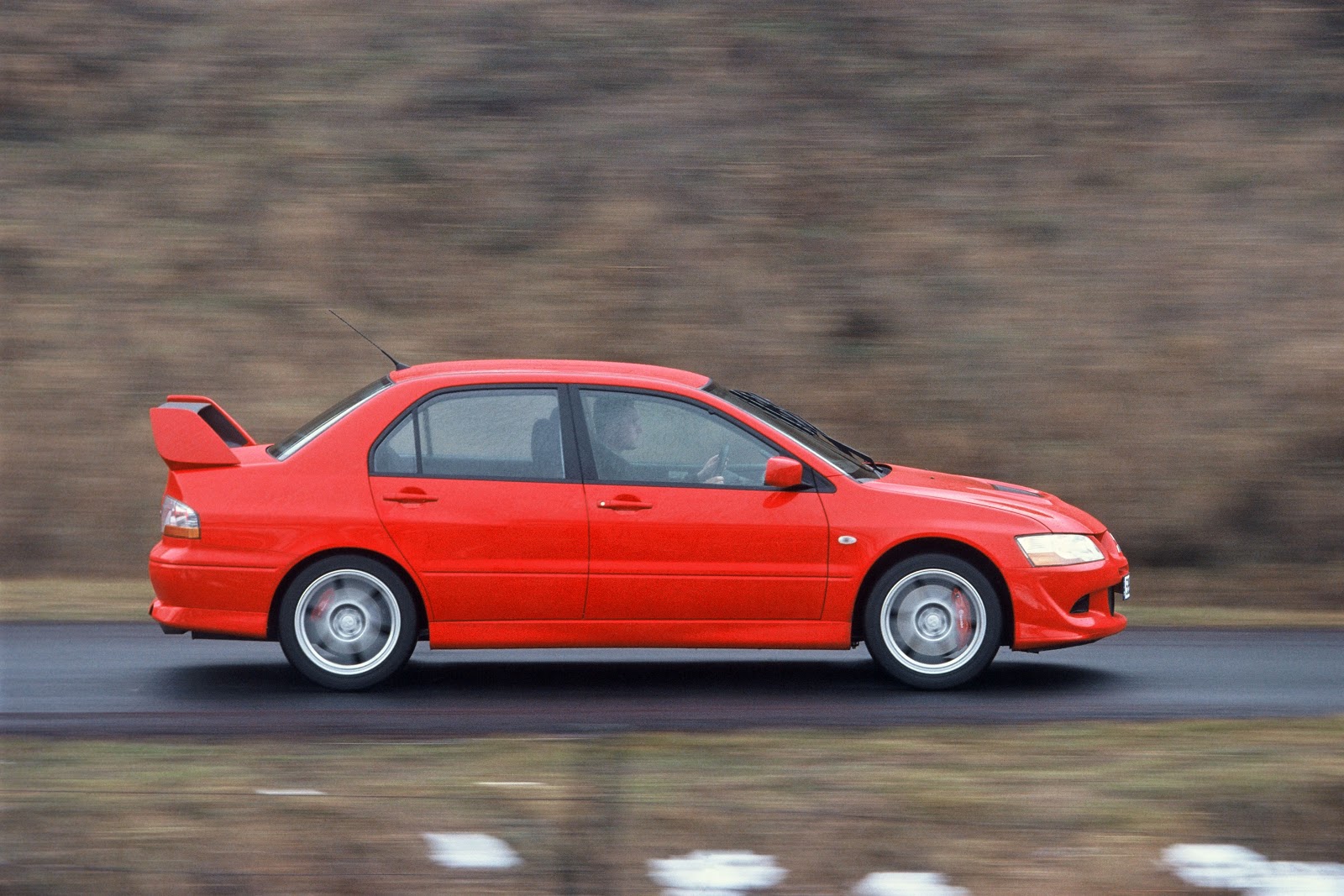
Money no constraint shopping list of cars


Friday, 21 September 2012
part1] Suspension components and its geometry
part1] Suspension components and its geometry , some of these are static factors and some are dynamic..i.e change based on the way the suspension encounters the road contours/temperature,water etc
(a) Centre of gravity
(b) Instant centre
(c) Roll centre and roll moment
(d) Toe
(e) Camber
(f) Caster/SAI
(g) Bump steer
(h) Weight transfer
(a) Centre of gravity
(b) Instant centre
(c) Roll centre and roll moment
(d) Toe
(e) Camber
(f) Caster/SAI
(g) Bump steer
(h) Weight transfer
Sunday, 16 September 2012
Getting my head around suspension tuning
Upgrading the suspension is not as easy as buying a kit with adjustable coilovers or lowering springs etc.
Market is full of too many options with so many variations it becomes too confusing, too difficult to decide what is the advantage of one setup vs the other...I thought I knew I had the basics covered and could select what I wanted but once I started my research I realised I had a long way to go before I could even think of upgrading my wheels or buying new coilivers ...
I too was overhelmed with so many options available...this was my starting point of my research on where to begin from..
To begin we need to think of the suspension tuning as combination of tuning of these individual components
part1] Suspension components and its geometry
part2] Dampers and their settings
part3] Springs and their settings
part4] Tyre and wheel combination
All these 4 are covered in great detail afterwards.
All these 4 are dependant on each other - you can tweak any one part or all of them ..and be happy as there is no right or correct feel to a car most of the time.I said "most of the time" as this is related to the those areas which relate to the "the subjective feel/ride quality" of the car.
Some areas there are no 2 ways about it - there is only one right way. ..e.g w.r.t to C.G and roll centre etc. You can't argue taller C.G is good or bad. Its just bad ..thats why all SUVs are a peice of shit.
I spent nearly 6 years reading up on what constitutes as right way/wrong way and how does it really work ? everytime I thought I have finally understood it ..some new factor comes along or a better product comes along.
Some of this things I would consider before stating off on platying with my suspension.
Some more thoughts before getting to the 4 parts...
Firstly you need to have the right platform to begin with - this is most critical ..
I would not bother with a high C.G or "cab forward" styled car..like the new Honda civics.. its just not a good platform its just inherently bad design. SUV's are a total waste of time and money.
All the obese muscle cars out of the picture..they are just too heavy..certain cars exceeding a particalur weight can never be made to handle how much ever you try to tune it.
The suspension should be either a double wishbone or a multi link to begin with.. Struts can also get the job done and some good handling cars too have struts.. But my point being why not start with something which is a superior engineering design in the 1st place ?
But if you have a strut based suspension .. u can live with it but can't argue its superior to a double wishbone.
Also the position of the engine and gearbox will make a diff to how your car behaves to the suspension tweaks etc. A car with its engine load ahead of the front axles or way behind the rear axles will not rotate as welll as a car with its engine/gearbox heavier portion closer to the middle of the car.
Dont listen to what crap the magazines, car shows say like 50%, 50% is a good ideal balance.. hardcore racers and suspension tuners say thats not what is important..only what matters is how much towrads teh centre of the car weight is concentrated makes a car handle better(means it will alllow to change its direction quickly with minimuim wight transfer = minimum change in corner loads = better chance of not distrubig the suspension)
Considering all thse factors or a compromise of these factors a propr platform should be selected..
A simple low slung, double wishbone coupe in stock mode can out handle a more expensive heavier custom tuned car with struts.. simple basic example
96-99 civic vs any new post 2000 accord (diff in suspension,CG)
any mazda rx8 vs any shitty heavy muscle car (diff in suspension setup, overall weight)
any mini coper vs any car (short wheelbase)
Without any tuning a superior stock vs stock design is a better candidate for tuning.
Details below
part1] Suspension components and its geometry , some of these are static factors and some are dynamic..i.e change based on the way the suspension encounters the road contours/temperature,water etc
(a) Centre of gravity
(b) Instant centre
(c) Roll centre and roll moment
(d) Toe
(e) Camber
(f) Caster/SAI
(g) Bump steer
(h) Weight transfer
part2] Dampers and their settings, types of dampers and what are the differnces in each type
(a) Frequency of the road..
(b) Bump, fast bump and slow bump
(c) Rebound, fast rebound and slow rebound
part3] Springs and their settings, how do we select what we need
(a) Corner weights and weight distribution
(b) Spring selection, spring constant
(c) Pre load
part4] Tyre and wheel combination
(a) Wheels - +ve and -ve offset, track width
(b) Scrub radius
(c) Sidewalls, Air pressure
Market is full of too many options with so many variations it becomes too confusing, too difficult to decide what is the advantage of one setup vs the other...I thought I knew I had the basics covered and could select what I wanted but once I started my research I realised I had a long way to go before I could even think of upgrading my wheels or buying new coilivers ...
I too was overhelmed with so many options available...this was my starting point of my research on where to begin from..
To begin we need to think of the suspension tuning as combination of tuning of these individual components
part1] Suspension components and its geometry
part2] Dampers and their settings
part3] Springs and their settings
part4] Tyre and wheel combination
All these 4 are covered in great detail afterwards.
All these 4 are dependant on each other - you can tweak any one part or all of them ..and be happy as there is no right or correct feel to a car most of the time.I said "most of the time" as this is related to the those areas which relate to the "the subjective feel/ride quality" of the car.
Some areas there are no 2 ways about it - there is only one right way. ..e.g w.r.t to C.G and roll centre etc. You can't argue taller C.G is good or bad. Its just bad ..thats why all SUVs are a peice of shit.
I spent nearly 6 years reading up on what constitutes as right way/wrong way and how does it really work ? everytime I thought I have finally understood it ..some new factor comes along or a better product comes along.
Some of this things I would consider before stating off on platying with my suspension.
Some more thoughts before getting to the 4 parts...
Firstly you need to have the right platform to begin with - this is most critical ..
I would not bother with a high C.G or "cab forward" styled car..like the new Honda civics.. its just not a good platform its just inherently bad design. SUV's are a total waste of time and money.
All the obese muscle cars out of the picture..they are just too heavy..certain cars exceeding a particalur weight can never be made to handle how much ever you try to tune it.
The suspension should be either a double wishbone or a multi link to begin with.. Struts can also get the job done and some good handling cars too have struts.. But my point being why not start with something which is a superior engineering design in the 1st place ?
But if you have a strut based suspension .. u can live with it but can't argue its superior to a double wishbone.
Also the position of the engine and gearbox will make a diff to how your car behaves to the suspension tweaks etc. A car with its engine load ahead of the front axles or way behind the rear axles will not rotate as welll as a car with its engine/gearbox heavier portion closer to the middle of the car.
Dont listen to what crap the magazines, car shows say like 50%, 50% is a good ideal balance.. hardcore racers and suspension tuners say thats not what is important..only what matters is how much towrads teh centre of the car weight is concentrated makes a car handle better(means it will alllow to change its direction quickly with minimuim wight transfer = minimum change in corner loads = better chance of not distrubig the suspension)
Considering all thse factors or a compromise of these factors a propr platform should be selected..
A simple low slung, double wishbone coupe in stock mode can out handle a more expensive heavier custom tuned car with struts.. simple basic example
96-99 civic vs any new post 2000 accord (diff in suspension,CG)
any mazda rx8 vs any shitty heavy muscle car (diff in suspension setup, overall weight)
any mini coper vs any car (short wheelbase)
Without any tuning a superior stock vs stock design is a better candidate for tuning.
Details below
part1] Suspension components and its geometry , some of these are static factors and some are dynamic..i.e change based on the way the suspension encounters the road contours/temperature,water etc
(a) Centre of gravity
(b) Instant centre
(c) Roll centre and roll moment
(d) Toe
(e) Camber
(f) Caster/SAI
(g) Bump steer
(h) Weight transfer
part2] Dampers and their settings, types of dampers and what are the differnces in each type
(a) Frequency of the road..
(b) Bump, fast bump and slow bump
(c) Rebound, fast rebound and slow rebound
part3] Springs and their settings, how do we select what we need
(a) Corner weights and weight distribution
(b) Spring selection, spring constant
(c) Pre load
part4] Tyre and wheel combination
(a) Wheels - +ve and -ve offset, track width
(b) Scrub radius
(c) Sidewalls, Air pressure
Tuesday, 4 September 2012
lowering the car
People usually associate lowering of the car with sportier handling..yes definately true if you do it right.
How hard can it be ? Buy a set of stiffer lowering springs and go down by 3 inches, job done.
Slap on a set of low profile tyres and there you go - car definately feels low slung and riders harder ..isn't stiffer suspension = sportier and softer = non sporty ?
What are we missing here ? havent we lowered the centre of gravity of the car ..isn't that a good thing Ferraris and all other sports cars sit lower definately cant be a bad thing.
What happens to camber when u lower the car ?
what happens to the bump steer ?
<to be continued...>
How hard can it be ? Buy a set of stiffer lowering springs and go down by 3 inches, job done.
Slap on a set of low profile tyres and there you go - car definately feels low slung and riders harder ..isn't stiffer suspension = sportier and softer = non sporty ?
What are we missing here ? havent we lowered the centre of gravity of the car ..isn't that a good thing Ferraris and all other sports cars sit lower definately cant be a bad thing.
What happens to camber when u lower the car ?
what happens to the bump steer ?
<to be continued...>
Sunday, 1 July 2012
Shifting gears
You may have been driving for more than 10 years with a stick shift but probably you may have still not heard of these 2 techniques..
1] Synchro rev match :
2] Power shifting : ..no use for non turbo engine..
1] Synchro rev match :
2] Power shifting : ..no use for non turbo engine..
Monday, 25 June 2012
whats more fun ?
driving a light car with no driver aid - no Abs, no Anti lock , no power steering..
direct steering to the wheels..
open pipe, no cat, straight through muffler ... hear the pop and crackle of the unburnt fuel..
small hi revving 4 valve simple single cam fuel injected engine .. ? no turbo no super charger just direct instant throttle response...
awesome grippy tyres on wrapped around "smaller than stock" wheels.
no stereo
no AC ...
It's more fun to drive a smaller slightly underpowered raw car on the edge..
I'd need a veyron to hit 250 mph to get same thrills..
Either u get it or u don't
direct steering to the wheels..
open pipe, no cat, straight through muffler ... hear the pop and crackle of the unburnt fuel..
small hi revving 4 valve simple single cam fuel injected engine .. ? no turbo no super charger just direct instant throttle response...
awesome grippy tyres on wrapped around "smaller than stock" wheels.
no stereo
no AC ...
It's more fun to drive a smaller slightly underpowered raw car on the edge..
I'd need a veyron to hit 250 mph to get same thrills..
Either u get it or u don't
Interesting crazy cars
1] JCW mini cooper clubman turbo
2] BMW 135 twin turbo
3] Dodge Challenger - god knows what happens when some fucker puts a twin turbo to its 6400 cc lazy ass and wakes up the beast
4] Mazdaspeed Protege turbo - awesome attempt.. should have beeen a hit
5] Jeep Sahara - awesome purpose built no nonsense brute
6] Subaru Wrx STI wagon ..
2] BMW 135 twin turbo
3] Dodge Challenger - god knows what happens when some fucker puts a twin turbo to its 6400 cc lazy ass and wakes up the beast
4] Mazdaspeed Protege turbo - awesome attempt.. should have beeen a hit
5] Jeep Sahara - awesome purpose built no nonsense brute
6] Subaru Wrx STI wagon ..
Most pointless/boring/sloppy/stupid cars
1] Honda Accord - Most boring
2] Mazda Rx8 - Stupid
3] BMW x6 - LOL, stupid
4] Mustang Boss 302 - Pointless
5] chevy Impala - sloppy boring
6] Hummer H2 - hahahaha fuckers still drive it.. stupid posers.
2] Mazda Rx8 - Stupid
3] BMW x6 - LOL, stupid
4] Mustang Boss 302 - Pointless
5] chevy Impala - sloppy boring
6] Hummer H2 - hahahaha fuckers still drive it.. stupid posers.
Friday, 8 June 2012
ideal car for the true petrol head...with translation for the non petrol head
Petrolead- No power steering, none of that hydraulic/electric power steering ..I need to feel the road thru the tyres, steering rack. No thanks I dont need any artificial assistance..
Non petrol head- I need power steering, it makes it easier to park my car.
--> What it means:
No power brakes, should know exactly how much bite I can get from my brakes.
I will control how much braking I need
Cable driven clutch - no hydraulic crap.
Manual 6 speed/dog type sequential with straight cut gears
Low slung -
Non petrol head- I need power steering, it makes it easier to park my car.
--> What it means:
No power brakes, should know exactly how much bite I can get from my brakes.
I will control how much braking I need
Cable driven clutch - no hydraulic crap.
Manual 6 speed/dog type sequential with straight cut gears
Low slung -
Friday, 25 May 2012
Saturday, 3 March 2012
Wheel selection ..
Wheels can make a lot of difference tot he handling if they are selected correctly and matched to your suspension and tyres and driving style.
1] Wheel diameter
A lot of people think going bigger in size is a good thing; you can put bigger tyres with lower profiles giving you more contact patch and lesser flex in the side walls etc. These things are just a few very minor "pros" as compared to the cons.
Firstly the gains made by stiffer low profile tyres will not be felt unless the suspension is also upgraded and "setup" accordingly( will cover the setup part in diff post)
Stock suspensions are designed for comfort, reliability, ease of maintenance and cost effective for selling the car at a particular price...
(A) Loss of ride comfort
Most of the times the big wheel-low profile tyre combo only introduces a bumpy ride, puts extra load on the shocks since we have now lost the cushioning provided by the slightly higher profile stock tyres.
(B) Final drive ratio (drive ratios details will be taken up in diff post as it will need a bigger explanation)
Another most overlooked con is - loss of accearation, bigger wheels alter the effective final drive ratio. The engines are designed to make torque at a particular rpm, the gearboxes are designed and ratios selected for each gear based on this effective powerband and the size of the wheel. If you use bigger diameter wheel the gear ratios for each gear become taller.
E.g. if your car was designed to have T1 Nm of torque @ n1 RPM and travelled at X1 MPH in 3rd gear
Now since the drive ratio is changed the car will now be doing X1 MPH at a lower RPM. This means now your engine is turning at an RPM which is lower than what was originally designed by the factory, which again means you are not in the power band and will be accelarating slower. Max accelaration happens when the engine is making the max torque within a paticular range of RPM and is able to transmit it via gearbox for a specific size of wheels.
Overall the car will be slower in doing 0-60mph,0-100 kmh etc
(C)Contact patch
This will increase with bigger dia wheels if the tyres are also bigger, which means if you select lower profile the effective circimfrence of the tyre will remain closer to stock... but if you try to go for bigger tyre with biger wheels you will get a bigger contact patch which means more rubber touching the road.
This could even reduce braking distance by 1-2 feet, which is good.
(D)Unsprung wieght
Anything not heldup by the suspension and shocksis unsprung wieight - like axles, differentials and wheels.
The unsprung weight can increase slightly with bigger wheels and tyres., this increases decreases the responsiveness of the suspension over bad roads.. suspension is not able to react as fast as possible to this extra weight of wheel and tyre.
Apart from comfort factor the car will not feel responsive to quick steering changes
(E)Rotational inertia
Bigger wheels and tyres are heavier and add to the rotational mass, it makes the engine work harder to spin that extra weight of the wheels.; this is in case of ricers putting oversized bling rims on crappy underpowered FR cars.
(F) Cornering
People may argue that bigger wheels and tyres may corner better due to rigidity of the sidewall (lower profile) and more contact patch they can get more grip.
More grip means they can go harder into corners and carry more speed while turning...You will get more "G" during the cornering.
Ok - how about this argument - since you are now suddenly having so much extra grip can ur suspension handle this ? during cornering the outer tyre is now having so much traction it will cause the entire weight to transfer to this side which will cause the inner wheel to not have any weight or even be lifted off the surface of the road..slightly reducing the contatc patch or even lifting off completely.
This will now reduce the overall grip as the inner is now not being effectively used wjhile going atound corners.. can the suspension handle this exyta grip is my question..
2]Offset/ET
Let's start this simple and later add the more technical calcuilations..I'l be going slowly here as it get's complicated pretty soon.
There are 4 things involved in order to understand this:
(a) Hub face :This is the mounting surface on which the actual wheel is bolted on with lug nuts; hub us what u see when u remove the wheels.
(b)Centre line of the wheel : The centre of the wheel when seen from top of the car .. the centre line will be parallel to the hub face.
(c)Plane on which the the lug nuts are located on the wheel: The nuts are not always on the centreline line of the wheel. this plane is determined by the shape/design of the wheels. This will also play a role in moving the distance between the hub surface and the wheel centreline
(d)Distance between the (a)hub face and (b)centre line : This will become your offset.
Imagine looking at the car from the top , we are considering the front right wheel
The hub face is on the left side, the wheel centre line is on the right side.
Consider the wheel as a sleeve which mounts on the hub.
How deep the sleeve/wheel covers the hub is determined by where the mounting surface of hub meets the inner face of the wheels mounting surface.
After mounting if the wheel has more +ve offset(more gap between the centreline and hub face) the wheel wil sit deeper into the wheel arch i.e. closer to the body.
Visualise it like this - more the offset. more the gap between mounting surface of hub and wheel mounting surface, therfore in oder to make them touch we will have to push the wheel further towards the hub to make them meet, this means towards the body of the car
Worst case : It will touch the inner part of the suspensing/steering mechanism and begin to rub.
After mounting if the wheel has -ve offset(less gap between the centreline and hub face) the wheel wil sit outwards in the wheel arch i.e. away from the body.
Worst case : It will poke outside of the wheel arch and put extra load on the suspensing/steering mechanism
This means on stock rims we can use widest tyre we can want till the point will have sufficient gap between inner surface of tyre and the suspensing/steering mechanism.
If we still want to go wider we will need to replace the stock wheels with a diff wheel which increases the gap between the body and tyre..ths is where ur ET comes in.
3] Suspension and steering geometry
Camber, toe in toe out, steering axis inclination, scrub radius.. <to be continued>
4] Gear ratio (Final drive accounting for effective circumfrence)
<to be continued>
1] Wheel diameter
A lot of people think going bigger in size is a good thing; you can put bigger tyres with lower profiles giving you more contact patch and lesser flex in the side walls etc. These things are just a few very minor "pros" as compared to the cons.
Firstly the gains made by stiffer low profile tyres will not be felt unless the suspension is also upgraded and "setup" accordingly( will cover the setup part in diff post)
Stock suspensions are designed for comfort, reliability, ease of maintenance and cost effective for selling the car at a particular price...
(A) Loss of ride comfort
Most of the times the big wheel-low profile tyre combo only introduces a bumpy ride, puts extra load on the shocks since we have now lost the cushioning provided by the slightly higher profile stock tyres.
(B) Final drive ratio (drive ratios details will be taken up in diff post as it will need a bigger explanation)
Another most overlooked con is - loss of accearation, bigger wheels alter the effective final drive ratio. The engines are designed to make torque at a particular rpm, the gearboxes are designed and ratios selected for each gear based on this effective powerband and the size of the wheel. If you use bigger diameter wheel the gear ratios for each gear become taller.
E.g. if your car was designed to have T1 Nm of torque @ n1 RPM and travelled at X1 MPH in 3rd gear
Now since the drive ratio is changed the car will now be doing X1 MPH at a lower RPM. This means now your engine is turning at an RPM which is lower than what was originally designed by the factory, which again means you are not in the power band and will be accelarating slower. Max accelaration happens when the engine is making the max torque within a paticular range of RPM and is able to transmit it via gearbox for a specific size of wheels.
Overall the car will be slower in doing 0-60mph,0-100 kmh etc
(C)Contact patch
This will increase with bigger dia wheels if the tyres are also bigger, which means if you select lower profile the effective circimfrence of the tyre will remain closer to stock... but if you try to go for bigger tyre with biger wheels you will get a bigger contact patch which means more rubber touching the road.
This could even reduce braking distance by 1-2 feet, which is good.
(D)Unsprung wieght
Anything not heldup by the suspension and shocksis unsprung wieight - like axles, differentials and wheels.
The unsprung weight can increase slightly with bigger wheels and tyres., this increases decreases the responsiveness of the suspension over bad roads.. suspension is not able to react as fast as possible to this extra weight of wheel and tyre.
Apart from comfort factor the car will not feel responsive to quick steering changes
(E)Rotational inertia
Bigger wheels and tyres are heavier and add to the rotational mass, it makes the engine work harder to spin that extra weight of the wheels.; this is in case of ricers putting oversized bling rims on crappy underpowered FR cars.
(F) Cornering
People may argue that bigger wheels and tyres may corner better due to rigidity of the sidewall (lower profile) and more contact patch they can get more grip.
More grip means they can go harder into corners and carry more speed while turning...You will get more "G" during the cornering.
Ok - how about this argument - since you are now suddenly having so much extra grip can ur suspension handle this ? during cornering the outer tyre is now having so much traction it will cause the entire weight to transfer to this side which will cause the inner wheel to not have any weight or even be lifted off the surface of the road..slightly reducing the contatc patch or even lifting off completely.
This will now reduce the overall grip as the inner is now not being effectively used wjhile going atound corners.. can the suspension handle this exyta grip is my question..
2]Offset/ET
Let's start this simple and later add the more technical calcuilations..I'l be going slowly here as it get's complicated pretty soon.
There are 4 things involved in order to understand this:
(a) Hub face :This is the mounting surface on which the actual wheel is bolted on with lug nuts; hub us what u see when u remove the wheels.
(b)Centre line of the wheel : The centre of the wheel when seen from top of the car .. the centre line will be parallel to the hub face.
(c)Plane on which the the lug nuts are located on the wheel: The nuts are not always on the centreline line of the wheel. this plane is determined by the shape/design of the wheels. This will also play a role in moving the distance between the hub surface and the wheel centreline
(d)Distance between the (a)hub face and (b)centre line : This will become your offset.
Imagine looking at the car from the top , we are considering the front right wheel
The hub face is on the left side, the wheel centre line is on the right side.
Consider the wheel as a sleeve which mounts on the hub.
How deep the sleeve/wheel covers the hub is determined by where the mounting surface of hub meets the inner face of the wheels mounting surface.
After mounting if the wheel has more +ve offset(more gap between the centreline and hub face) the wheel wil sit deeper into the wheel arch i.e. closer to the body.
Visualise it like this - more the offset. more the gap between mounting surface of hub and wheel mounting surface, therfore in oder to make them touch we will have to push the wheel further towards the hub to make them meet, this means towards the body of the car
Worst case : It will touch the inner part of the suspensing/steering mechanism and begin to rub.
After mounting if the wheel has -ve offset(less gap between the centreline and hub face) the wheel wil sit outwards in the wheel arch i.e. away from the body.
Worst case : It will poke outside of the wheel arch and put extra load on the suspensing/steering mechanism
This means on stock rims we can use widest tyre we can want till the point will have sufficient gap between inner surface of tyre and the suspensing/steering mechanism.
If we still want to go wider we will need to replace the stock wheels with a diff wheel which increases the gap between the body and tyre..ths is where ur ET comes in.
3] Suspension and steering geometry
Camber, toe in toe out, steering axis inclination, scrub radius.. <to be continued>
4] Gear ratio (Final drive accounting for effective circumfrence)
<to be continued>
Tuesday, 13 December 2011
All in the name of controlling pollution, cleaner air and greener environment..
So lets pass engine oil spray, exhaust fumes, unburnt airfuel mix, carbon and anything else which sludges up and carbonises the engine in your throttle body.
In short lets just make the engine eat its own shit ..
Hell of a way of recycling the crap coming out of the engine and keeping the environment clean.
Think I'm joking guys ? Why would manufacturers do this ?don't they know whats good for their engines ? you dont think Honda/Toyota/Nissan/BMW/Mercedes etc dont know how to make cars ?
Of course they know how to make engines.. but to meet pollution/emission standards they need to do all this.
..Aanything and everything which is bad for the engine is being done, it is being passed back into your throttle body for a second pass to ensure nothing escapes into the clean green fresh environment.
Apart from the fumes and exhaust gasses its the engine oil and blow back which is also a major contributor to the crap we feed into our throttle bodies.
Let me explain in more detail.. I'm sure at the end of this every petrol head is going to open his throttlebody and clean it, or atleast put his finger behind the throttle plate to see how much crap is being recycled..
probably the more insane/extreme petrolheads will reroute the breathers/pcv's/egr's etc ..
Lets get into the details..
Starting with the basics -Whatever is fed into the intake or the throttlebody will find its way into the injectors and coat the inner parts of the intake plenum and the runners.
[I should include a diagram here..I'll do it later..]
This is what is found in ur typical stock intake system in this order, this is how the path of air flows through your system, the red highlighted ones are the entry points from where the crap is fed into your system.
Anything downstream of these entruy points gets a decent dose of the oily gunk..
(a)resonator(commonlyfound)/airbox
(b)intake pipe with IAT(intake air temp sensor)
(c)throttlbody inlet
(d)throttle plate conected to TPS(throttle position sensor)
(e)map sensor
(f)throttle body(main barrel)
(g)intake runners
(h)injectors
(i)intake valves
-Now, what is actualy being recirculated ?
Cocktail of the following :
(a) Blowback directly into the TB
(b) Exhaust fumes courtesy of the EGR directly into the TB
(c) Oil splashes courtesy of the PCV directly into the TB
(d) Oil splashes courtesy of the breather directly into the TB or upstream into the intake pipe
<to be continued..>
In short lets just make the engine eat its own shit ..
Hell of a way of recycling the crap coming out of the engine and keeping the environment clean.
Think I'm joking guys ? Why would manufacturers do this ?don't they know whats good for their engines ? you dont think Honda/Toyota/Nissan/BMW/Mercedes etc dont know how to make cars ?
Of course they know how to make engines.. but to meet pollution/emission standards they need to do all this.
..Aanything and everything which is bad for the engine is being done, it is being passed back into your throttle body for a second pass to ensure nothing escapes into the clean green fresh environment.
Apart from the fumes and exhaust gasses its the engine oil and blow back which is also a major contributor to the crap we feed into our throttle bodies.
Let me explain in more detail.. I'm sure at the end of this every petrol head is going to open his throttlebody and clean it, or atleast put his finger behind the throttle plate to see how much crap is being recycled..
probably the more insane/extreme petrolheads will reroute the breathers/pcv's/egr's etc ..
Lets get into the details..
Starting with the basics -Whatever is fed into the intake or the throttlebody will find its way into the injectors and coat the inner parts of the intake plenum and the runners.
[I should include a diagram here..I'll do it later..]
This is what is found in ur typical stock intake system in this order, this is how the path of air flows through your system, the red highlighted ones are the entry points from where the crap is fed into your system.
Anything downstream of these entruy points gets a decent dose of the oily gunk..
(a)resonator(commonlyfound)/airbox
(b)intake pipe with IAT(intake air temp sensor)
(c)throttlbody inlet
(d)throttle plate conected to TPS(throttle position sensor)
(e)map sensor
(f)throttle body(main barrel)
(g)intake runners
(h)injectors
(i)intake valves
-Now, what is actualy being recirculated ?
Cocktail of the following :
(a) Blowback directly into the TB
(b) Exhaust fumes courtesy of the EGR directly into the TB
(c) Oil splashes courtesy of the PCV directly into the TB
(d) Oil splashes courtesy of the breather directly into the TB or upstream into the intake pipe
<to be continued..>
Approach to tuning/types of tuning
I'm trying to categorize the types/levels of tuning into categories..
If you are in a hurry ..skip to any step u feel like, but for others who would want to build their machines one step at a time, understand how their machines behave after each upgrade..and really want to experience the actual process of tuning ..try the following steps
1st get the stock machine to factory specs, make sure the base on which we are going to build our car is worthy of the upgrades ?
This includes :
a) Checking the engine - how much life it has left in it, do a compression test
b) Chasis
c) Body
d) Suspension and steering
<to be continued..>
If you are in a hurry ..skip to any step u feel like, but for others who would want to build their machines one step at a time, understand how their machines behave after each upgrade..and really want to experience the actual process of tuning ..try the following steps
1st get the stock machine to factory specs, make sure the base on which we are going to build our car is worthy of the upgrades ?
This includes :
a) Checking the engine - how much life it has left in it, do a compression test
b) Chasis
c) Body
d) Suspension and steering
<to be continued..>
Saturday, 22 October 2011
best road trips so far ..only pix
 |
Wisconsin deserted freeways.. |
 |
| bear mountain , New york |
 |
| thanksgiving time, drive thru griffith park in LA |
 |
| La Jolla, on the way to San Diego |
 |
| LA to Vegas through the Mojave desert.. |
 |
| Snow in Minnesotta, try driving with a FR layout with summer tyres :-) |
 |
| Driving around Times square, get to see some awesome exotic sports cars |
 |
| beautiful old bridge on the way from Pasadena to LA |
 |
| San Diego |
 |
| Solvang..really worth the drive from SantaBarbara |
 |
| awesome senic drive to St Croix from Minneapolis.. |
Subscribe to:
Posts (Atom)